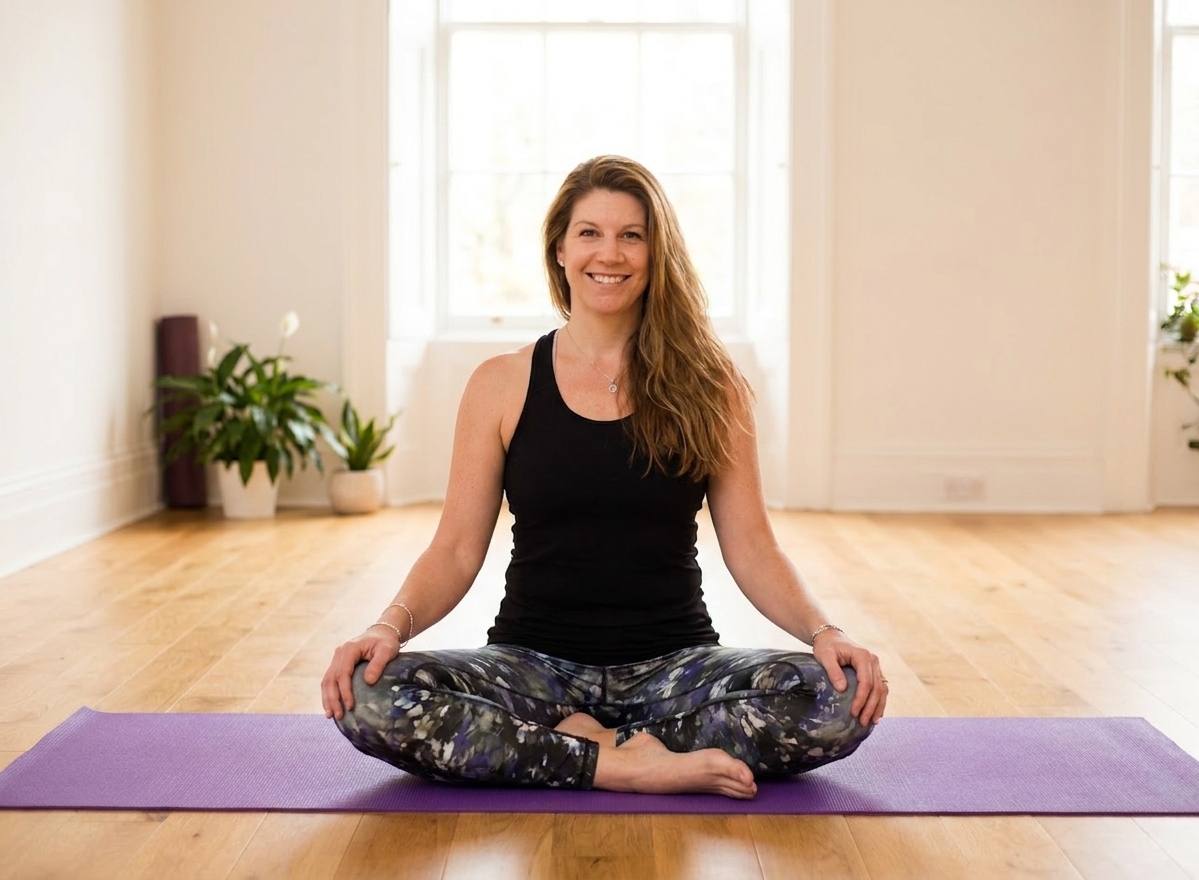
Let me start with the good news. You already know how to do the thing this whole article is about. You've been doing it since the moment you were born, roughly 20,000 times a day, without a single lesson. Nobody sat you down as a baby and taught you the technique.
So why is breathwork suddenly everywhere? Why are there apps, courses, retreats, gadgets, and a small army of people on Instagram telling you you're doing it wrong?
Fair question. Let's get into it.
The One Thing Your Body Lets You Take Over
Here's what makes breathing genuinely strange, and genuinely useful.
Most of what keeps you alive runs on autopilot. Your heart beats, your stomach digests, your blood pressure rises and falls, and you have almost no say in any of it. Try to consciously slow your own digestion. You can't. Try to will your heart to drop ten beats. Not happening, at least not directly.
Breathing is the exception. It ticks along automatically when you ignore it, which is most of the time. But the moment you decide to, you can grab the wheel. Speed it up, slow it down, hold it, deepen it.
That's the loophole the entire field of breathwork is built on. By changing how you breathe, you can reach into a system you otherwise have no access to and gently nudge it. Calm yourself down. Wake yourself up. Shift your state on purpose, rather than waiting for it to shift you.
Ancient Practice, Shiny New Packaging
None of this is new.
Yogis were working with the breath thousands of years ago and called it pranayama, the regulation of life force. Martial artists built breath control into their training. Singers, free divers and brass players have always known the breath is something you can shape.
What's new is the packaging, and the science. We can now measure what's actually happening when you breathe in a particular way, which means we finally have answers to the question I spent years quietly asking in yoga classes: yes, but why?
Which brings me to my own slightly embarrassing story.
How Breathwork Nearly Put Me Off for Life
For years, breathing was just a thing we did in yoga class. "Inhale, reach up. Exhale, fold." Lovely. Calming. But nobody ever told me what we were trying to achieve, and I never thought to ask.
Then I got talked into a breath workshop.
Picture an hour and a bit sitting uncomfortably on a hard floor, working through technique after technique. Box breath, breath of fire, single-nostril breathing, one after another, each held for far longer than felt sensible. By the end my back ached, I felt genuinely awful, and I was more anxious than when I'd walked in.
So I did what any sensible person does. I tried harder the next day. It felt worse. On the third day I faked it, quietly breathing normally while pretending to follow along, and then I never went back.
Obvious conclusion: breathing wasn't for me. I wasn't "good at it." And I still had no idea what I'd been trying to do in the first place.
Then, of all places, Instagram changed my mind. I came across Lucas Rockwood, the founder of YogaBody, talking about breathwork in a way I'd never heard before. He took the old pranayama practices and dug into the science underneath them, the actual physiology of why they work. And he was clear about something nobody had mentioned in that workshop: this stuff is powerful, which means you use it deliberately. One technique at a time, chosen for what you actually want (to wake up, to find calm, to wind down for sleep), a few minutes at a time, regularly, and when you need it.
Suddenly it all made sense. Including why that workshop had left me in such a state. I'd essentially been handed every tool in the box at once and told to use all of them as hard as possible. No wonder my nervous system filed a complaint.
So I did the unthinkable for someone who'd sworn off breathing exercises. I signed up for the YogaBody Breath Coach training, then the advanced certificate, and later went back to the pranayama roots with a yoga-based breathwork course. I now use breathwork every single day to regulate my own nervous system. Couldn't manage without it. It just looks nothing like those grim marathon sessions on the floor.
Right. Story over. This is where it gets genuinely interesting.
Most of Us Over-Breathe
This is the one that surprises people most.
We tend to assume that more breathing is better breathing. Big, deep, dramatic breaths must be healthier, surely? Often it's the opposite. A lot of us quietly over-breathe through the day, pulling in more air than our bodies need, a little too fast and a little too high in the chest.
And here's the kicker: you don't need more oxygen.
Why More Oxygen Isn't the Goal
If you're a reasonably healthy person sitting and reading this, your blood is already somewhere around 95 to 99 percent saturated with oxygen. It's basically full. Taking a huge gulp of air doesn't top it up in any meaningful way, because there's almost no room left to fill.
So if the goal isn't more oxygen, what is it?
This is where the unlikely hero of the story shows up: carbon dioxide.
Carbon Dioxide Is Not the Villain
We're taught to think of CO2 as waste. Rubbish gas, breathe it out, job done. That's only half the picture.
Carbon dioxide is the thing that actually lets your body use the oxygen it's already carrying. Oxygen hitches a ride on your red blood cells, but it won't hop off and into your hungry tissues unless there's enough CO2 around to release it. Too little CO2, and the oxygen clings on stubbornly instead of going where it's needed. (Physiologists call this the Bohr effect, in case you fancy sounding clever at dinner.)
There's a second twist. That urge to breathe you feel when you hold your breath? It isn't your body crying out for oxygen. It's CO2 building up and tripping the alarm. Your drive to breathe is run almost entirely by carbon dioxide, not by oxygen running low.
Which reframes the whole thing. A lot of breathwork isn't about getting more air in. It's about gently raising your tolerance to CO2 so your breathing can settle, slow down and work more efficiently. Less really is often more.
Your Body Already Does This Without You
Here's my favourite fact in the whole piece. You sigh roughly every five minutes, all day long, and you almost never notice. It isn't boredom or sadness. It's housekeeping. Those big occasional breaths quietly reinflate the tiny air sacs in your lungs that gradually collapse as you potter through the day. Stop sighing altogether and your lungs would slowly get stiffer and less efficient. So the next time someone tells you to stop sighing, you can inform them you're performing essential maintenance.
There's more to it. That particular shape of breath, a normal inhale followed by a second little sip of air on top, then a long slow exhale, happens to be the fastest known way to settle your nervous system. Researchers have given it a name, the physiological sigh, but your body was using it long before anyone thought to study it. It reaches for exactly this pattern after you've been crying, or had a fright, to bring you back down.
Which is the quiet theme of this whole article, really. You've been doing breathwork your entire life. You just never had a name for it.
The Case for Your Nose
If there's one genuinely practical thread running through all of this, it's this: breathe through your nose.
Your nose is a beautifully designed bit of kit. It filters out dust and debris, warms and humidifies the air before it reaches your lungs, and adds just enough resistance to slow your breathing to a sensible pace. Your mouth does none of this. Mouth breathing is the equivalent of taking the side door and skipping security.
And then there's the party trick nobody sees coming.
The Molecule You've Probably Never Heard Of
When you breathe in through your nose, you pick up a dose of something your mouth simply can't give you: nitric oxide.
It's produced in the sinuses, those hollow spaces around your nose, and you only collect it on the way in if you're nose breathing. Small thing, big CV. Nitric oxide helps widen your blood vessels, which improves blood flow and helps oxygen get absorbed more efficiently once it lands in the lungs. It also has antimicrobial properties, so it's quietly helping to keep unwanted visitors out.
It was significant enough that the discovery of nitric oxide's role as a signalling molecule in the body earned a Nobel Prize. Not bad for a gas most people have never heard of, made by a body part we mostly use to complain about hay fever.
Here's the daft bit: humming ramps up nitric oxide production considerably. So next time someone catches you humming to yourself, you can tell them, completely straight-faced, that you're optimising your sinus chemistry.
A Quick Word on Strips, Pots and Gadgets
Where there's a wellness trend, there's a shop. Breathing has its own aisle now: nasal strips, neti pots, mouth tape, breathing trainers, apps that buzz at you.
Some of it has real merit. Neti pots (rinsing the nasal passages with saline) are a long-established way to keep the nose clear, handy if you're prone to congestion. Nasal strips can genuinely help some people get more air through a stubborn nose at night.
Other bits I'd treat with a raised eyebrow. Mouth tape is having a real moment, and while the principle behind it (encouraging nose breathing overnight) is sound, taping your mouth shut isn't for everyone, and it isn't something to rush into without thought, particularly if you have any kind of breathing trouble during sleep. A gadget can be a useful nudge. None of them does anything your nose can't already do for free.
When to Be Careful
Here's the part the more excitable corners of the internet tend to skip.
Breathwork is powerful, and powerful things deserve respect. Slow, gentle breathing is safe for almost everyone. The intense end of the spectrum (rapid breathing, long breath holds, the fiery energetic techniques) is not a free-for-all.
A few sensible rules:
Never do breath holds or intense breathing in or near water, or while driving. People have fainted doing exactly this, sometimes with awful consequences.
Go gently, or check with a professional first, if you're pregnant, or living with a heart condition, high blood pressure, epilepsy, glaucoma, or a history of panic attacks. Some of the stronger techniques can be genuinely unhelpful here.
If a practice leaves you panicky, dizzy or feeling dreadful, that is not you "doing it wrong" or needing to push through. That's your body asking you to stop. Listen to it. (I wish someone had told me this on that floor.)
Used sensibly, a few minutes of the right technique can shift your whole day. Used like a competitive sport, it can leave you anxious on a hard floor wondering why everyone else seems fine. Ask me how I know.
Here's My Honest Take
After 25 years of teaching movement and breath, here's where I've landed.
You don't need to be taught how to breathe. You're already an expert, and you have been your whole life. What breathwork actually offers is something subtler and more interesting: a way to use a skill you already have, on purpose, to change how you feel.
You don't need more air. You don't need to breathe harder, or longer, or more dramatically. For most of us, the upgrade is far quieter than the wellness industry would like you to believe. Breathe through your nose. Slow down. Do less, more often. Pick the right tool for the moment instead of flinging all of them at the wall at once.
And if you've ever tried breathwork, hated it, and decided it wasn't for you, I'd gently suggest you didn't fail at breathing. You were probably just handed the wrong dose. I've been there, on the floor, faking it. Now I genuinely couldn't do without it.
Funny how that works.
Come and Try It (Without the Hard Floor)
Quick confession: this article has a small ulterior motive. I'm running an Introduction to Breathwork workshop in July, and it's pretty much the opposite of the one that nearly put me off for good all those years ago. No marathon on a hard floor, no being handed every technique at once and told to push through. Just a friendly, sensible first taste of how to use your breath on purpose, with the why very much included.
If anything above made you curious, come and join me.
Introduction to Breathwork, 21st July 2026 @6pm UK time: save your spot →
Work With Me
Beyond the workshop, I work with private clients one to one, in person and online, where the breath usually plays a starring role alongside the movement. If you'd like something more tailored to you, that's where I come in.
Learn more about working with me →
Anja Dobler Integrated Movement & Breathwork Specialist Based in Berlin | Teaching internationally online www.anjadobler.com